
The Power of Constraints
How Limiting Gear, Time, or Subject Matter Sparks Creativity
One Stop Over is currently a free publication. However, if you feel the overwhelming urge of generosity sweeping over you and you enjoy my work, you can support me in several ways…
I know I’m not alone in this, but when it comes to travel, I’ll often spend way too much time agonizing over what, and how much, gear I take. Gear paralysis is definitely a real thing and for the longest time this started even before we were traveling. I’m not immune to Gear Acquisition Syndrome (GAS) either and that often leads to further complications because I’m also left with a series of sub choices. Which film camera? Do I need a backup? Should I take zooms, primes or both? What film stocks? Ultimately, this series of decisions has led me to take way too much gear on many trips which then further stifles my creativity. What I’ve learned about myself is that I always come away with better photos and in a better mental state from trips when I was “forced” to limit my options.
Several years ago, on a trip to Africa, we had serious luggage constraints due to weight requirements placed by bush plane operators. Had I taken all the gear I wanted, there would have only been room left for a tooth brush and 2 pairs of underwear! Instead I took my Xpro3 with a 17-300 zoom and my Leica M6 with a 50mm lens and a bunch of HP5. And, on this recent trip to Europe, I paired back even more than usual and only took my M10 and 3 small primes, only using a 50mm.
Placing constraints on how we operate as photographers can have a lot of positive outcomes. I think sometimes we forget that people who use other means of creative expression more readily place constraints on themselves with positive outcomes. Writers with word counts, painters with the finality of putting brush to canvas. The boundaries force them to commit with intention.
What Constraints Have I Used?
Gear
I’ve already touched on my experience with gear constraints, but why are they a good thing? Might you miss a shot if you don’t have a lot of gear choices? The simple answer is yes, you will miss some photos, but the ones you do get will be more meaningful and impactful. You will have been forced to work for them. One of my favorite gear restrictions is to head out with 1 prime lens. It doesn’t really matter which focal length, although I prefer a 35 or 50. Fixed lenses force you to “zoom with your feet” and compose images more thoughtfully. They are less forgiving. You can’t hide behind technical tools like compression, separation and bokeh and rely on them to “shine up” images. Primes have no problem telling you which areas of your craft you need to work on. And, if you can have honest dialogue with yourself, you can learn a lot from choosing one prime and using it for an extended period of time. Film photography has also taught me to be more restrictive. I now spend less time “chimping” when I use my digital gear and almost always set and forget my ISO to manual along with aperture and shutter speed.
Time/Quantity
As a person that has ADHD, time management is often a struggle for me. Some days it’s impossible to even start a simple tasks like taking out the trash, but on others I could easily fall into a “vortex” and before I know it, I’ve spent 4 hours editing one image! In my “non-photography” life I’ve learned that time constraints and reminders are an important thing. I use tools like visual timers to keep me on task and not get bogged down. They help me transition from one task to another. And, while I’ve talked about how not setting too many specific “goals” for myself has also fostered creativity, I do believe that deadlines are an important thing. Placing some type of time limitation on your shooting forces you to act, and along with time, you could also impose a “shot count”. Treat your digital camera like a film camera. 36 exposures and done. When you impose time and quantity restrictions on your work you are forced to act with intention and not squander what you have. I’ve found this helps me maintain focus and think more deeply about how I’m using the camera. It’s one of the reasons I love shooting with film. You can’t preview images, your frame count is limited and you have to work within the restriction of your chosen film stock. When you don’t have the choice, your mind is freed up to think more creatively. It’s no coincidence that some of the best photographers I know did stints working for newspapers during the film era.
Thematic
An hour shooting nothing but items that are red. A day focused only on reflections or shadows. When you force yourself to shoot only one “thing” you get to know it really well and it forces you to come up with creative ways to portray this one thing differently. You could also force yourself to shoot in a way you’re not used to. Black and white when you always shoot color, Film when you always shoot digital etc. Again, you might not get as many shots and you will miss other photo opportunities but you learn to see familiar things differently. And you might find that you unknowingly build a body of work that could become something greater at a later date.
Benefits
For me, reducing my gear and placing limitations and constraints on how and what I shoot have had a number of positive impacts. I’ve already mentioned that my photography seems more intentional and focused but as an added benefit, I’ve also seen improved mental health. No more anxiety about what gear to bring. Just making a decision and living with it. Reducing the amount of, or length of periods of burnout. I’m better able to shift from one task to another. Improved productivity, less “FOMO”. Making sure that I regularly practice photography in a “restricted” manner has really helped me stay motivated and consistent and has helped reduce the range between the highs and the lows
Try It Yourself
If you’ve been feeling stuck or uninspired, give yourself one boundary this week.
Here are a few ideas to start:
Use only one focal length for an entire week.
Shoot just 10 frames on a walk — and make each one count.
Limit yourself to one block or one park bench.
Choose one color to follow for a day.
Or simply: shoot only between sunrise and 7:00 a.m.
These aren’t rules to restrict you. They’re invitations to focus. And while you may end up taking fewer photographs, I’m confident that they will mean more. I know from personal experience that I don’t remember the missed shots but I do remember how, when I’ve worked with restrictions, I’ve felt less anxious and more at ease with the outcome regardless if it was “successful.”
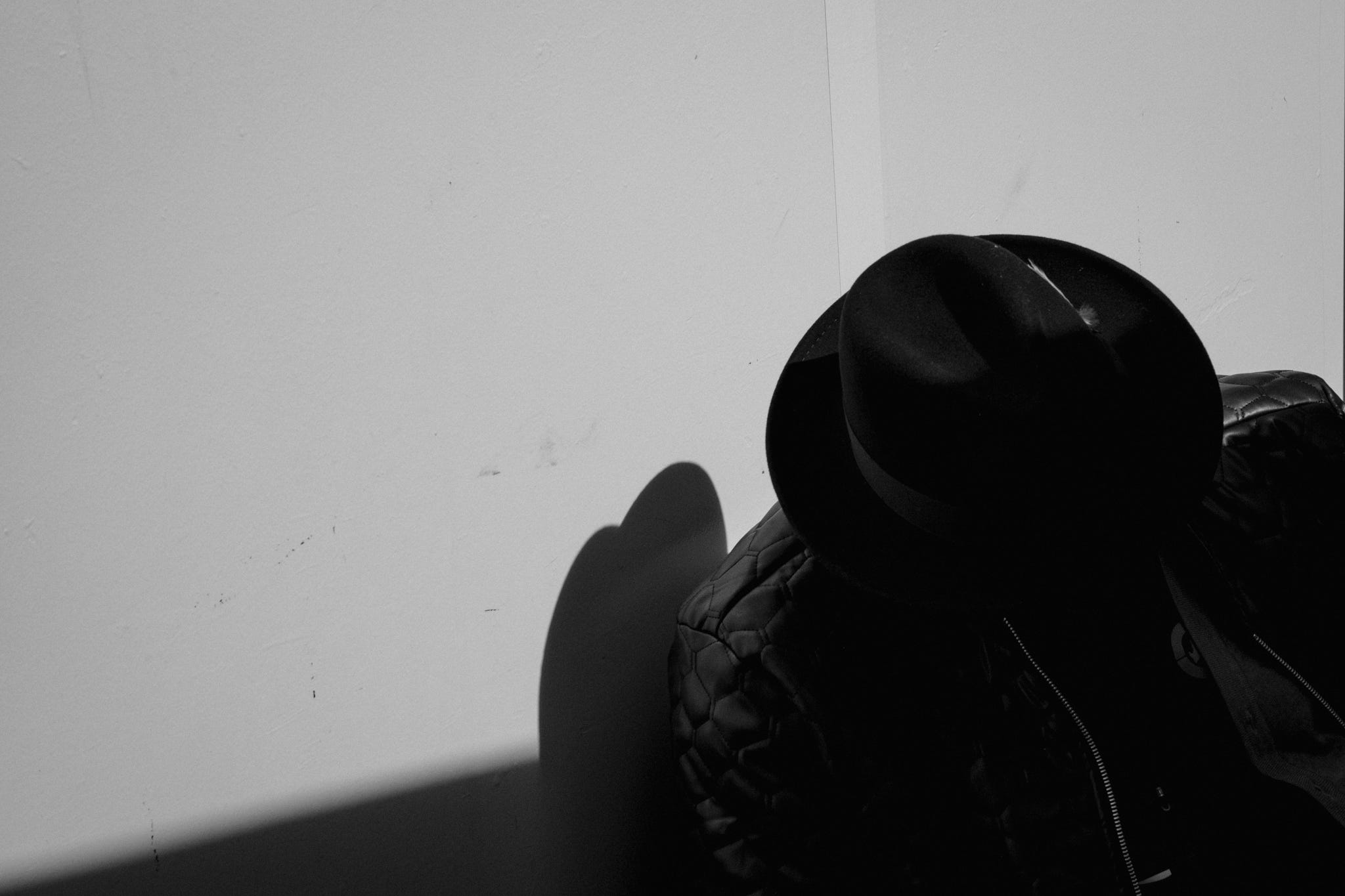
Here are some recent images from a day shooting with only a 50mm lens on my Leica M10:


Another benefit of using a prime is that the focal length is one aspect less that you need to consider when taking a photo. Personally, this helps me to stay in "the flow".
An interesting and enlightening post, Tom. Thinking back to when I first picked up a camera as a teenager (1974) all I had (for a few years) was an Edixa 35mm body and a 50mm f2.8 lens. I wanted it so I could shoot Speedway events at Belle Vue in Manchester. Aside from only having one, not very fast, lens, the camera only had a waist-level finder - so everything was back-to-front. Necessity being the mother of invention, I eventually got the hang of it. A few years later I got an SLR (Olympus OM1n) + 28mm and 50mm. I fully understand and concur with your recommendation but, as someone who does more landscape than street photography, having a couple of lenses available is my comfort blanket. When I head for London, I usually just have an X-Pro 2 and 23mm f1.4