
On Seeing
Why photography can make you a better human.
One Stop Over is currently a free publication. However, if you feel the overwhelming urge of generosity sweeping over you and you enjoy my work, you can support me in several ways…
The first time I picked up a camera, I thought photography was about making pictures. I was wrong. Photography, is about learning to see. There’s a difference between looking and seeing. Looking is the thing we do when we scroll through our phones or glance out the window at traffic. Seeing, requires attention. It asks something of us. It’s deliberate, mindful, sometimes uncomfortable. And in a world overflowing with images, learning to see might be one of the most valuable skills left. The modern world doesn’t reward observation. Everything around us is built for speed and distraction. Notifications, traffic, deadlines, small screens filled with big opinions. We’re constantly reacting but rarely noticing. Photography interrupts that. Before you can make a photograph, you have to notice light, shape, gesture, texture, timing. That simple act of noticing is where everything begins.
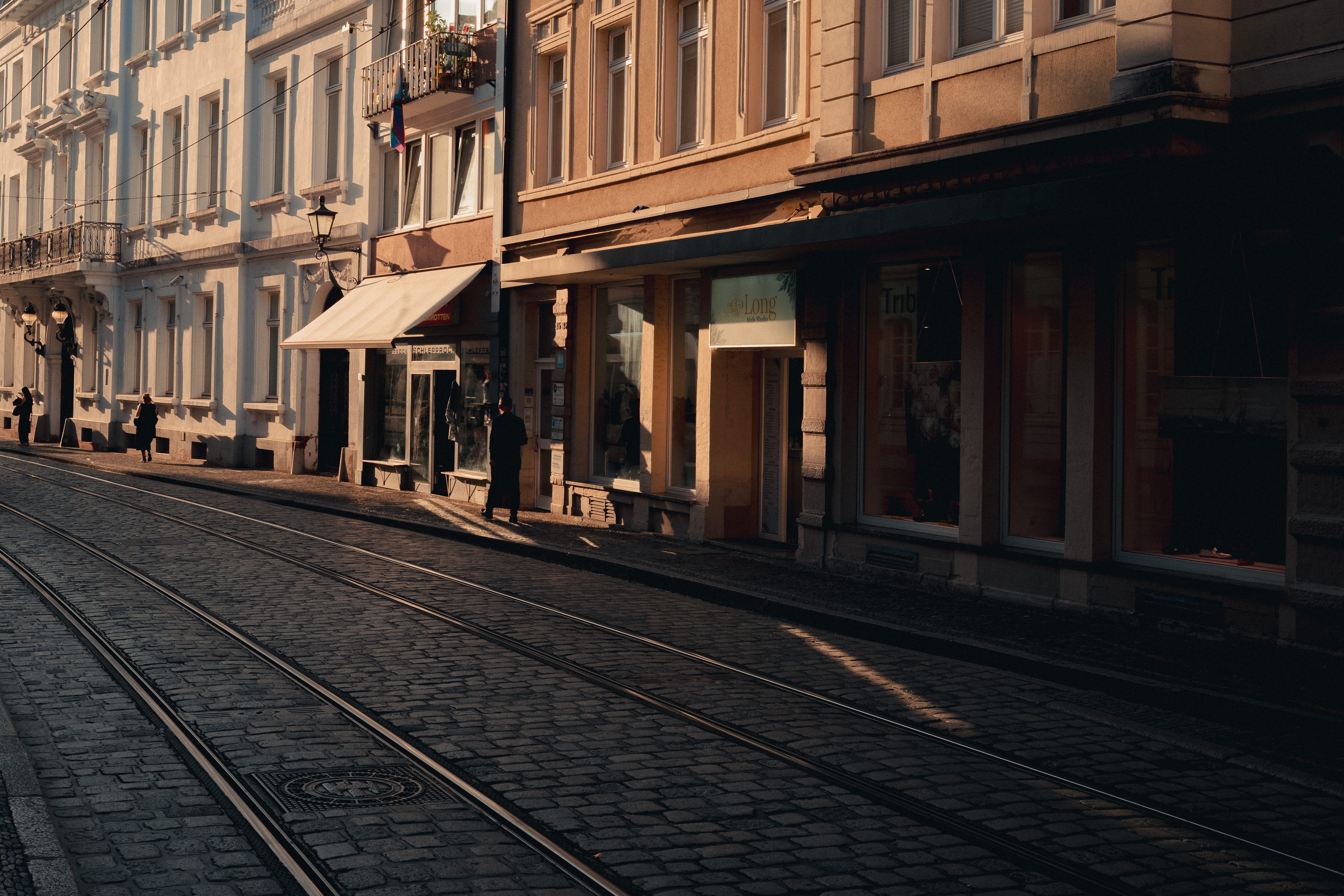
When you start carrying a camera, you realize how much you’ve been missing. How the late afternoon light hits a red brick wall just so. How people’s paths intersect for a single fraction of a second. How silence in a crowded street feels heavy. Photography fosters curiosity. You start asking questions. What happens if I turn left here? What does that reflection look like from the other side? It’s the same curiosity kids have before they “grow up”.
There’s a quiet moment between what you see and how it makes you feel and that’s where photography lives. Some of my favorite photos have come from standing still and simply feeling the weight of a place. A quiet park bench. A tired neon sign. A man smoking. None of it conventionally “beautiful” but somehow, it felt alive. Without the camera, I probably would’ve walked right past it. With the camera, I stopped. And in that small pause, the noise of the world faded. The camera gave me permission to simply be there. Photography teaches you that seeing is an emotional act. You’re not just recording what’s in front of you, you’re responding to it.
Street photography, in particular, makes you pay attention to people, not just what they look like, but who they are in that moment and how they relate and interact with the space they are in. Before photography, I might have looked at a crowd and seen a blur of strangers. Now, I see gestures and patterns. And, if I’m lucky, I’ll witness a small story unfolding. A father guiding his daughter through traffic. A woman balancing groceries and a phone call. A young couple walking with their steps synced unconsciously. You start noticing humanity everywhere. When you photograph people, empathy becomes instinctive. You realize that everyone is trying to make it through the day with some dignity and rhythm intact. You see yourself in others more often than you expect. That’s the hidden gift of the camera. It connects you. Not just to the world, but to the shared humanness we all experience.
For years, I thought I had to travel to find something worth photographing. A new city. A distant landscape. Something “different”. But eventually the camera taught me otherwise. Don’t get me wrong, travel is one of the most important gifts you can give yourself but more and more I find myself photographing the same few blocks in one area of New York or around my own neighborhood in New Jersey. The worn pavement. The reflection of headlights on wet asphalt. The way morning light crawls through the side door to my house. It’s the same world I’ve lived in for years but I just see differently now. Photography shows you that beauty isn’t rare or special. It’s everywhere, hiding in plain sight. We just have to look for it.
If there’s a quiet side effect of photography, it’s gratitude. I’ve talked about this before but once you start noticing, you realize how fleeting everything is. Light changes by the second. People shift, moods pass, moments dissolve. You can never recreate a photograph. The same light will never hit the same wall in the same way again. So when you lift the camera, you’re essentially saying something matters, and it was real and you were there. Photography becomes a daily act of appreciation. You find yourself thankful for things that once felt ordinary. The hum of a street at night, a beam of sunlight across a windowpane, the imperfect perfection of real life.
Eventually, you start to notice that you’re seeing even when you’re not shooting. You’ll be walking to the store, and suddenly your brain starts composing frames. You’ll see a shadow on a wall or a moment between two people and think it would make a good photo. It’s at that point you realize the camera wasn’t the point. Photography hasn’t just made me a better photographer. It’s made me a better observer, a more patient traveler, and a more grateful human. It’s taught me that the world doesn’t need to be extraordinary to be worth noticing. It already is, you just have to slow down long enough to see it. And maybe that’s what all of us are doing when we press the shutter. We are trying to remind ourselves that the world is still worth paying attention to.


Some people see this way without ever having or wanting a camera to carry; some people – meaning me – carry a camera to record these things we see that others miss, wondering if we should have carried one all our lives (or, in my case, learned more about the technical aspects of photography… – but I’m getting there…) – although I still sometimes don’t record everything: knowing the good things tend to stick to the inside of my skull.
This is not an argument against the premise of the essay at all. I agree completely – and with Cedric’s great summation. I just wonder how many great photographers already had the gift before they were photographers.
This is very true. Photography makes you aware and appreciative, even when you don't shoot.